


Some of the best decisions Singapore ever made probably looked unnecessary at the time.
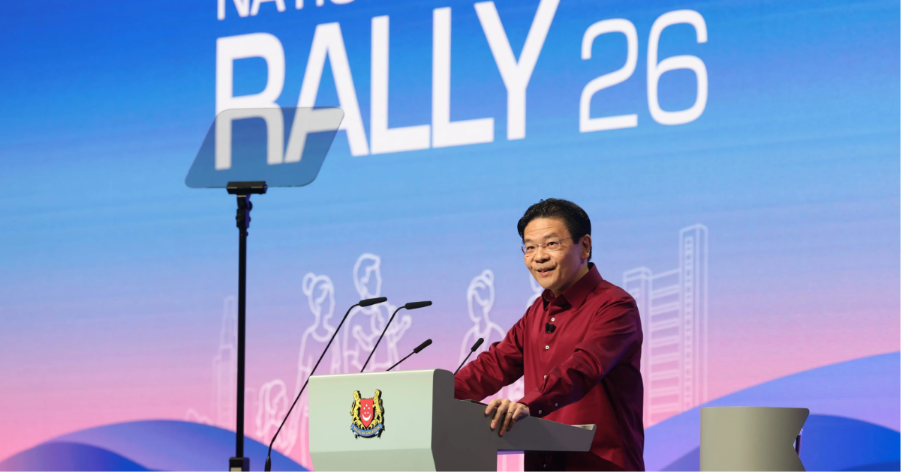
That was what came to mind when PM Lawrence Wong spoke at the National Day Rally about Singapore needing to plan not just 5 or 10 years ahead, but 50, 70, even 100 years into the future.
It sounds impressive. But think about what that actually means.
It means committing resources today to solve problems that may not exist yet — sometimes for benefits the people making those decisions may never personally enjoy.
Singapore has done this before.
Jurong Island is one example.
In the 1980s, Singapore began planning to reclaim and combine seven offshore islands into one integrated energy and chemicals hub.
Today, Jurong Island is a key part of our economy. But someone had to imagine what it could become decades before there was certainty that the demand would materialise.
Our water story is another.
Singapore invested for decades in reservoirs, water infrastructure, desalination and eventually NEWater.
We couldn’t wait until there was a water crisis before deciding that water security mattered. The capability had to exist before we desperately needed it.
Then there is Changi Airport.
In the 1970s, Singapore made the costly decision to move our main airport from Paya Lebar to Changi rather than simply continue expanding the existing airport.
It wasn’t built merely for the Singapore that existed then.
It was built for the Singapore we hoped to become.
And perhaps that’s the irony of good long-term planning:
When it works, the next generation forgets there was ever a problem to solve.
We see the airport.
We turn on the tap.
We see industries and jobs.
What we don’t see are the difficult decisions made decades earlier that made them possible.
Which brings me back to planning 100 years ahead.
Long-term thinking isn’t about accurately predicting what Singapore will look like in 2126.
Nobody can.
It’s recognising that some decisions cannot wait until the future becomes obvious. Because by then, it may already be too late.
And this isn’t only about governments.
It applies to climate change, education, healthcare, businesses, our careers, our families and even our own health.
We increasingly live in a world of quarterly results, annual targets and instant gratification.
Perhaps that makes the ability to think decades ahead more valuable, not less.
Many things we enjoy today exist because someone decades ago was willing to solve a problem we hadn’t encountered yet.
So perhaps the question isn’t just what Singapore should look like in 100 years.
It’s this:
What are we building today that someone 50 years from now will be grateful we had the foresight to start?








Recent Comments